Let me be blunt with you. If you’re dealing with joint pain — whether it’s your knee, shoulder, hip, or spine — and the first thing your doctor talks about is surgery, you need to pump the brakes. That’s not medicine. That’s a system on autopilot.
I’m Dr. Joshua Fischer. I’m triple board-certified in Neuromusculoskeletal Medicine, Regenerative Medicine, and Family Medicine. I’ve spent over eight years helping patients on the Central Coast avoid unnecessary surgeries through treatments that actually work with the body instead of cutting into it. And I can tell you firsthand: surgery should be a last resort, not a first-line recommendation.
That ends now. If you’re reading this, you deserve to know what your real options are.
The Problem With the “Surgery First” Mindset
Here’s how the conventional model works. You’ve got joint pain. You go see your primary care doctor. They order an MRI. The MRI shows a tear, maybe some degeneration. You get referred to an orthopedic surgeon. The surgeon looks at the image and says, “You need surgery.”
And just like that, you’re scheduled for a procedure that may cost you tens of thousands of dollars, months of recovery time, and carries real risks of complication — including the possibility that the pain doesn’t go away at all.
What nobody stopped to ask is: is the thing on the MRI actually the thing causing your pain? Because in a shocking number of cases, it’s not. Studies have shown that a significant percentage of people with zero symptoms have disc bulges, rotator cuff tears, and meniscal tears on imaging. The image alone doesn’t tell the whole story. But the system is built to treat images, not people.
The surgical model is profitable. Let’s not pretend otherwise. Hospitals make money on procedures. Surgeons are trained to operate. When you’re a hammer, everything looks like a nail. I’m not saying all surgeons are bad — many are brilliant and absolutely necessary when the situation calls for it. But the incentive structure pushes patients toward the operating room far too quickly.
What Should Happen Before Anyone Mentions a Scalpel
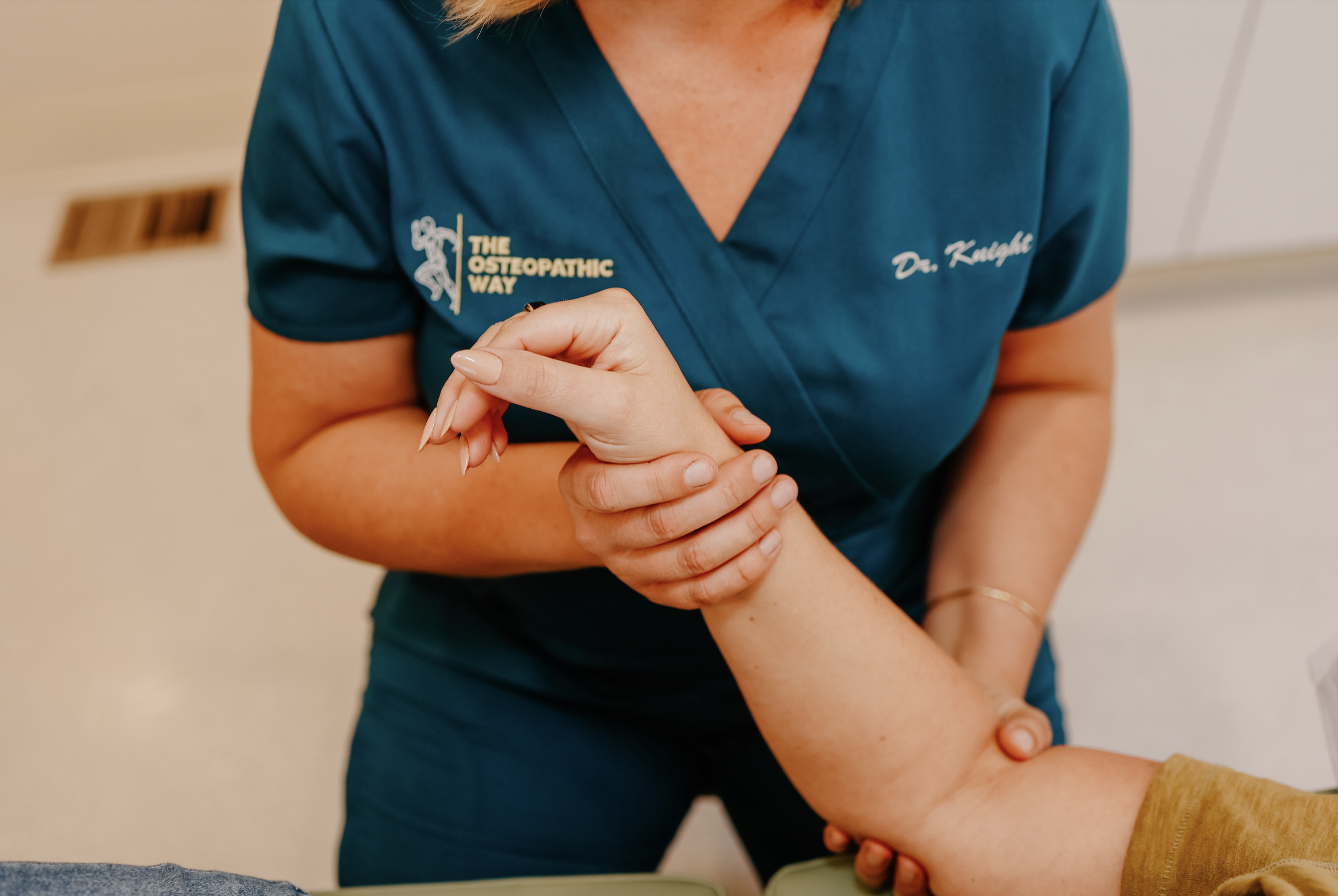
Before you even consider surgery, a proper evaluation should include a thorough hands-on physical examination. Not just a five-minute visit where the doctor barely touches you and reads your MRI report out loud. I’m talking about a real assessment of how your body moves, where the dysfunction actually is, and what structures are generating your pain.
As a Doctor of Osteopathic Medicine, I was trained to look at the whole body. Joint pain doesn’t happen in isolation. Your knee pain might be driven by a hip that’s not moving well. Your shoulder impingement might be a thoracic spine issue. Your low back pain could be related to a sacral torsion that nobody has ever diagnosed because nobody took the time to actually put their hands on you.
This is what osteopathic medicine brings to the table. We look at the root cause. We treat the person, not the scan. And most of the time, when you take this approach, surgery becomes unnecessary.
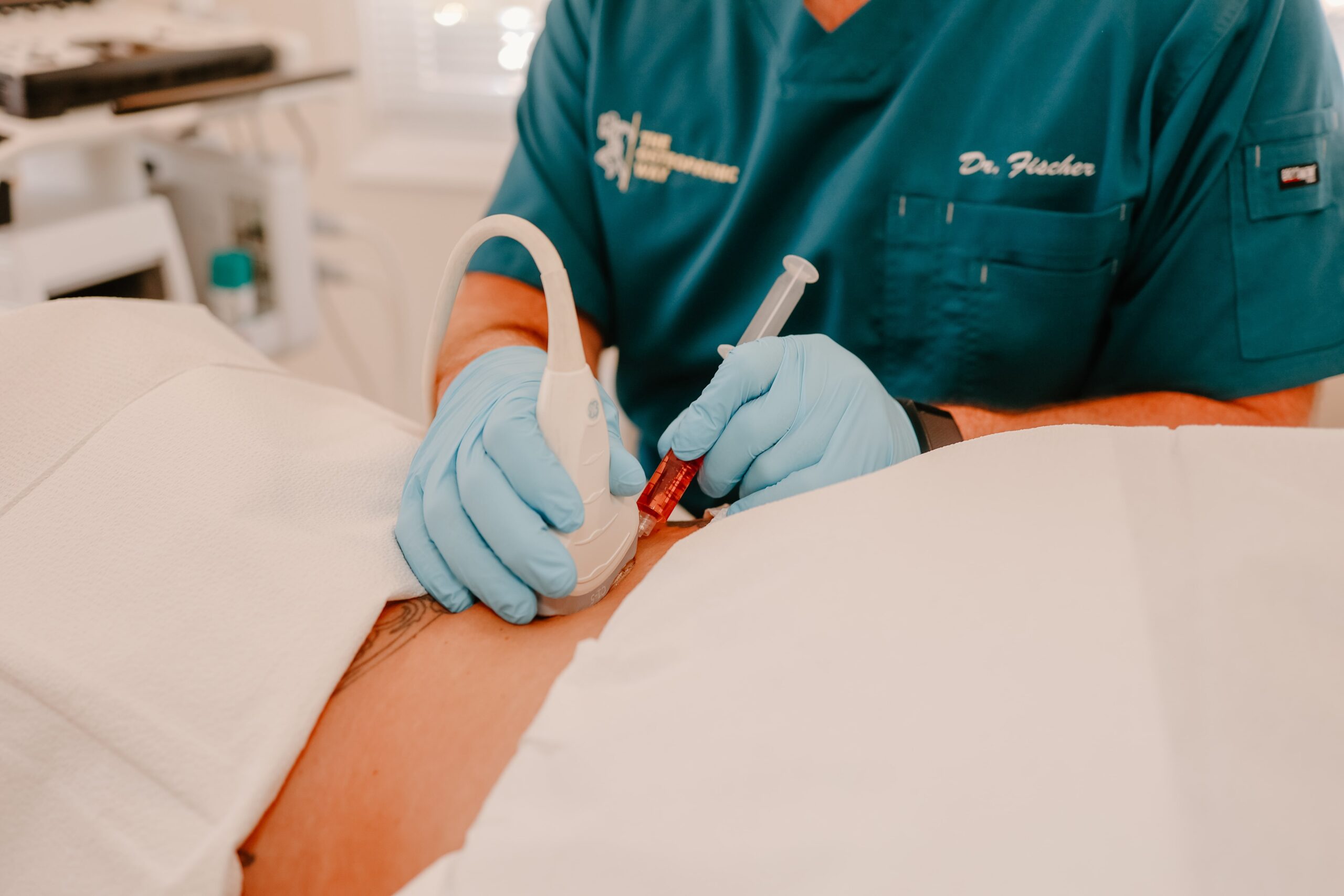
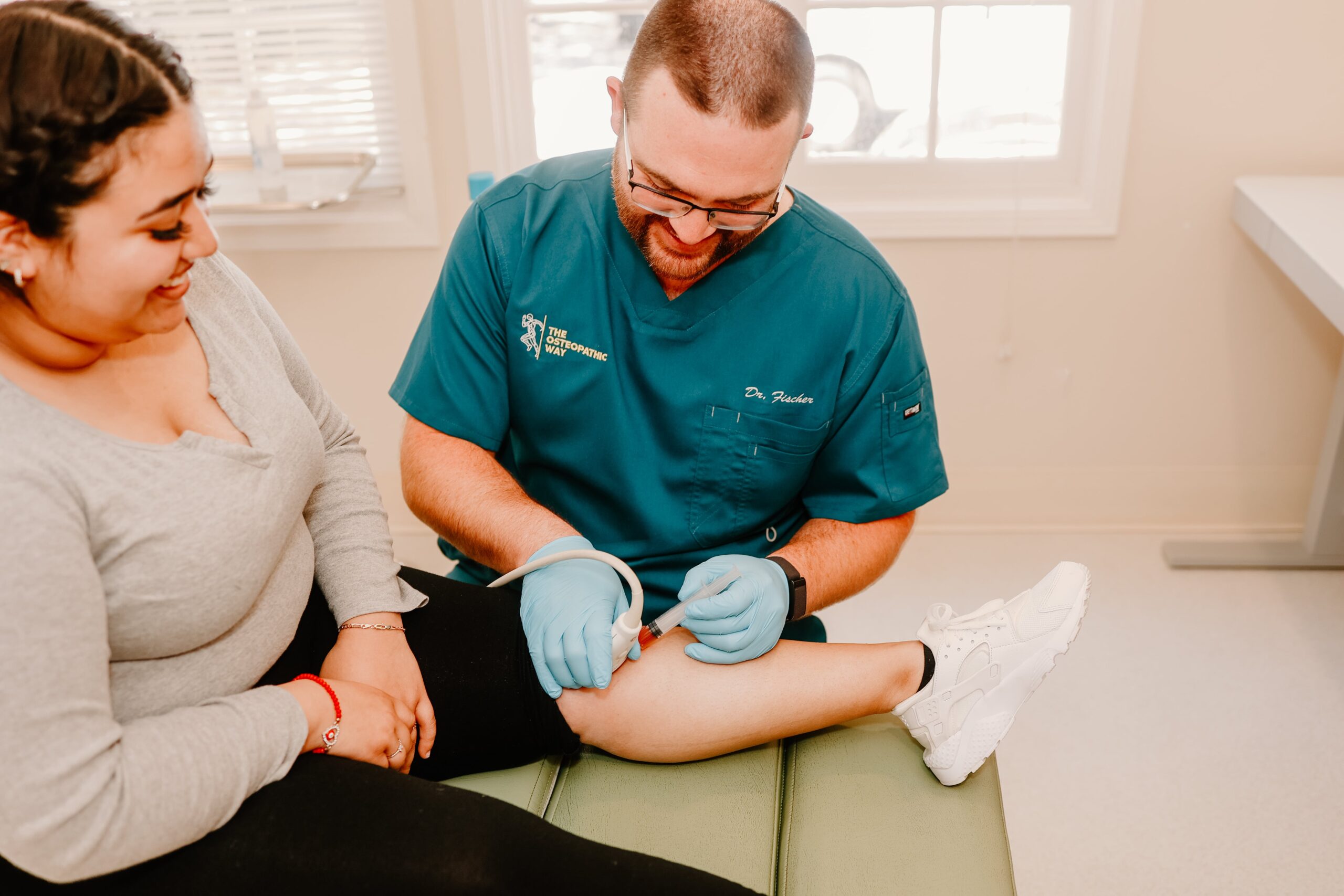
Once we understand what’s actually going on, we can deploy targeted non-surgical treatments. Osteopathic manipulative treatment can restore motion and reduce pain. Regenerative medicine — including PRP therapy, cellular therapy, and prolotherapy — can actually help damaged tissues heal. These aren’t Band-Aids. They’re real treatments that address the underlying problem.
The Non-Surgical Path That Actually Works
At The Osteopathic Way, we focus on getting to the root of the problem. And when patients need advanced regenerative treatments, that’s where Bay Area Orthobiologics comes in. Bay Area Orthobiologics is our regenerative medicine practice — the clinical arm of The Osteopathic Way dedicated specifically to non-surgical orthopedic solutions.
Through Bay Area Orthobiologics, we offer PRP (platelet-rich plasma) therapy, where we use your own blood’s growth factors to stimulate healing in damaged tendons, ligaments, and joints. We offer prolotherapy to stabilize loose or injured ligaments. And for more advanced cases, we offer cellular therapy using your body’s own regenerative cells to promote tissue repair.
These treatments have been used for decades. They’re backed by a growing body of clinical evidence. And they work. I’ve seen patients who were told they needed total joint replacements walk out of our clinic months later with dramatically reduced pain and improved function.
The key is that these treatments work with your body’s natural healing processes. Surgery cuts, removes, and replaces. Regenerative medicine supports, stimulates, and restores. There’s a fundamental philosophical difference there, and it matters.
When Surgery Actually Makes Sense
I want to be clear — I’m not anti-surgery. There are absolutely situations where surgery is the right call. Complete ligament ruptures that won’t heal. Fractures that need hardware. Severe joint destruction where there’s truly nothing left to work with. In those cases, a skilled surgeon can be life-changing.
But those cases represent a fraction of the people who are currently being sent to surgery. The vast majority of musculoskeletal pain can be treated effectively without an operation if you’re willing to look beyond the conventional playbook.
The question you should always ask is: have I truly exhausted my non-surgical options? Not cortisone shots and physical therapy alone. Real, comprehensive non-surgical care that includes proper diagnosis, osteopathic treatment, and regenerative medicine. If you haven’t explored those options, you haven’t exhausted anything.
Take Control of Your Health
If you’re dealing with joint pain and you’ve been told surgery is your only option, I want you to know: it’s probably not. There is another way. It starts with a proper evaluation by someone who actually listens, puts their hands on you, and looks at the whole picture.
That’s what we do at The Osteopathic Way. And when regenerative treatments are indicated, our Bay Area Orthobiologics practice provides the most advanced non-surgical orthopedic care available on the Central Coast.
You don’t have to settle for the assembly-line medical model. You deserve better. Reach out to us and let’s talk about what’s really going on with your body — before anyone picks up a scalpel.
www.bayareaorthobiologics.com